
n industrial environments, every detail matters. From the equipment workers use to the protective clothing they wear, the right choices can make a meaningful difference to workplace safety and daily performance. Yet one important factor is often overlooked when selecting industrial workwear: fit and comfort.
A garment may be durable and designed for protection, but if it restricts movement, feels excessively heavy, or fits poorly, it can become a distraction throughout a long shift. Workwear should not simply meet the requirements of the job. It should allow workers to perform their duties with confidence and ease.
When Fit Becomes a Safety Consideration
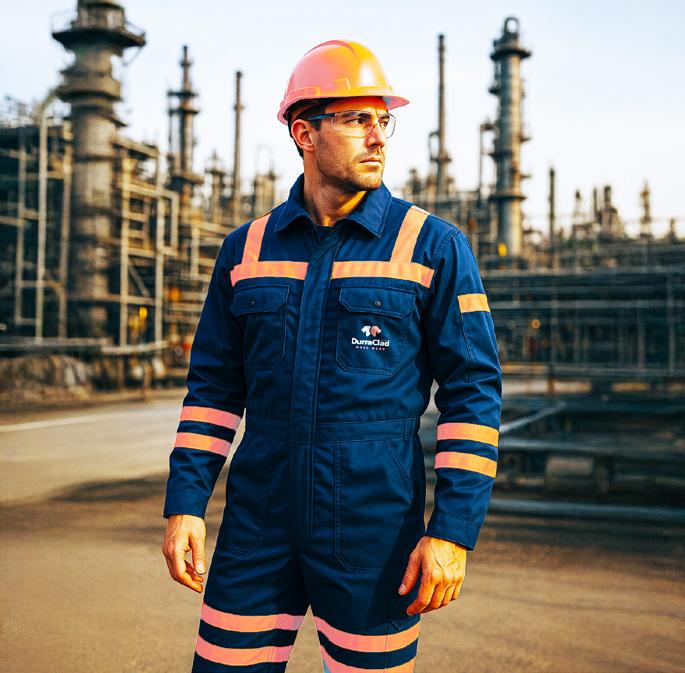
Industrial workers frequently bend, stretch, climb, lift equipment, and move through demanding environments. Clothing that is too tight can restrict movement, while oversized garments may snag on machinery or surrounding objects. Poorly positioned pockets, uncomfortable seams, and unsuitable sleeve lengths can also interfere with everyday tasks.
The objective is to find the right balance between freedom of movement and appropriate protection. Workwear should be designed around the practical demands of the workplace, allowing employees to move naturally without compromising the garment’s protective function.
Of course, fit alone does not make a garment safe. The clothing must also be appropriate for the hazards involved and meet the relevant protective requirements.
Comfort Matters During Long Shifts
In hot industrial environments, particularly across the GCC, fabric selection and garment construction deserve special attention. Breathability, moisture management, fabric weight, and overall design can influence how comfortable workwear feels throughout the day.
Features such as well-positioned pockets, adjustable closures, suitable sizing, and carefully designed seams can improve usability. However, comfort should never come at the expense of the protection required for a specific task. Flame-resistant and other specialist protective garments must retain their intended performance when selected, worn, and maintained correctly.

Why Businesses Should Look Beyond Standard Sizing
Every workforce has different requirements. The physical demands of an oil and gas operation may differ considerably from those of a warehouse, manufacturing facility, or construction site. A uniform that works well for one role may not be suitable for another.
Businesses should consider the range of body sizes among employees, the movements required by their jobs, the local climate, and the protective standards applicable to each role. Evaluating samples and gathering feedback from workers before placing bulk orders can help identify fit issues early and reduce unnecessary replacements.
Better Workwear Starts With Better Decisions
Industrial workwear is more than a uniform. It is part of the working environment, influencing how comfortably and confidently employees carry out their responsibilities.
At Burton International, the goal is to bring together durability, functional design, and appropriate protection to meet the demands of industrial workplaces. By giving fit and comfort the same thoughtful consideration as fabric quality and safety requirements, businesses can make more informed workwear decisions.