Most procurement managers tick the ISO box and move on.
That’s a mistake.
Here’s the thing about ISO certification in the safety wear industry: the label means very little if you don’t know what it’s certifying. A manufacturer can hold an ISO 9001 certificate, which covers quality management processes, and still produce a coverall that fails in a flash fire. Because ISO 9001 doesn’t certify the product. It certifies the factory’s paperwork.
So what should you actually be looking for?
ISO 11612 is the one that matters for thermal and flame protection. It tests fabric performance across six different hazard parameters, including convective heat, radiant heat, and molten metal splashes. A garment that meets ISO 11612 has been tested under real conditions, not just manufactured under a documented process.
ISO 11611 covers welding and allied processes. If your workforce is doing any arc welding, this is non-negotiable.
ISO 20471 is your standard for high visibility garments. Background material, retroreflective tape, combined performance — all tested and measured.
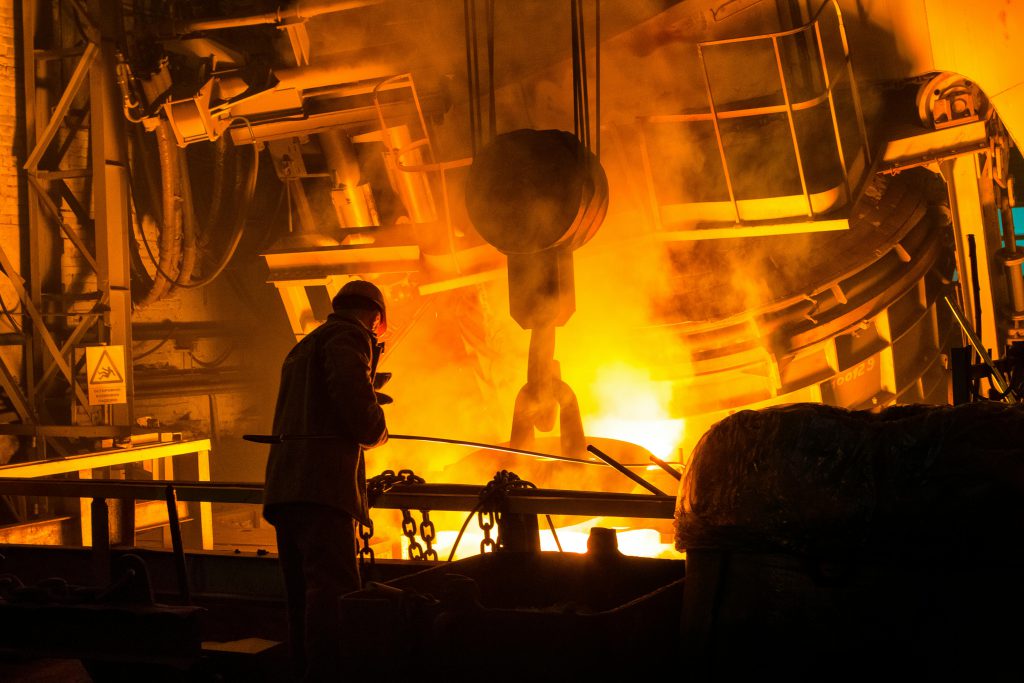
The GCC’s industrial sector, particularly Oil & Gas and construction, operates under conditions that demand fabric performance, not just factory compliance. When a supplier shows you an ISO certificate, the right question isn’t “are you certified?” It’s “certified to which standard, for which product, tested by which body?”
At Burton International, every garment in our FR and IFR range is built to meet the specific ISO and EN standards relevant to the hazard it protects against. Not because a certificate looks good in a tender document. Because the person wearing it needs to come home.
Ask the right questions before you sign the next supply contract.